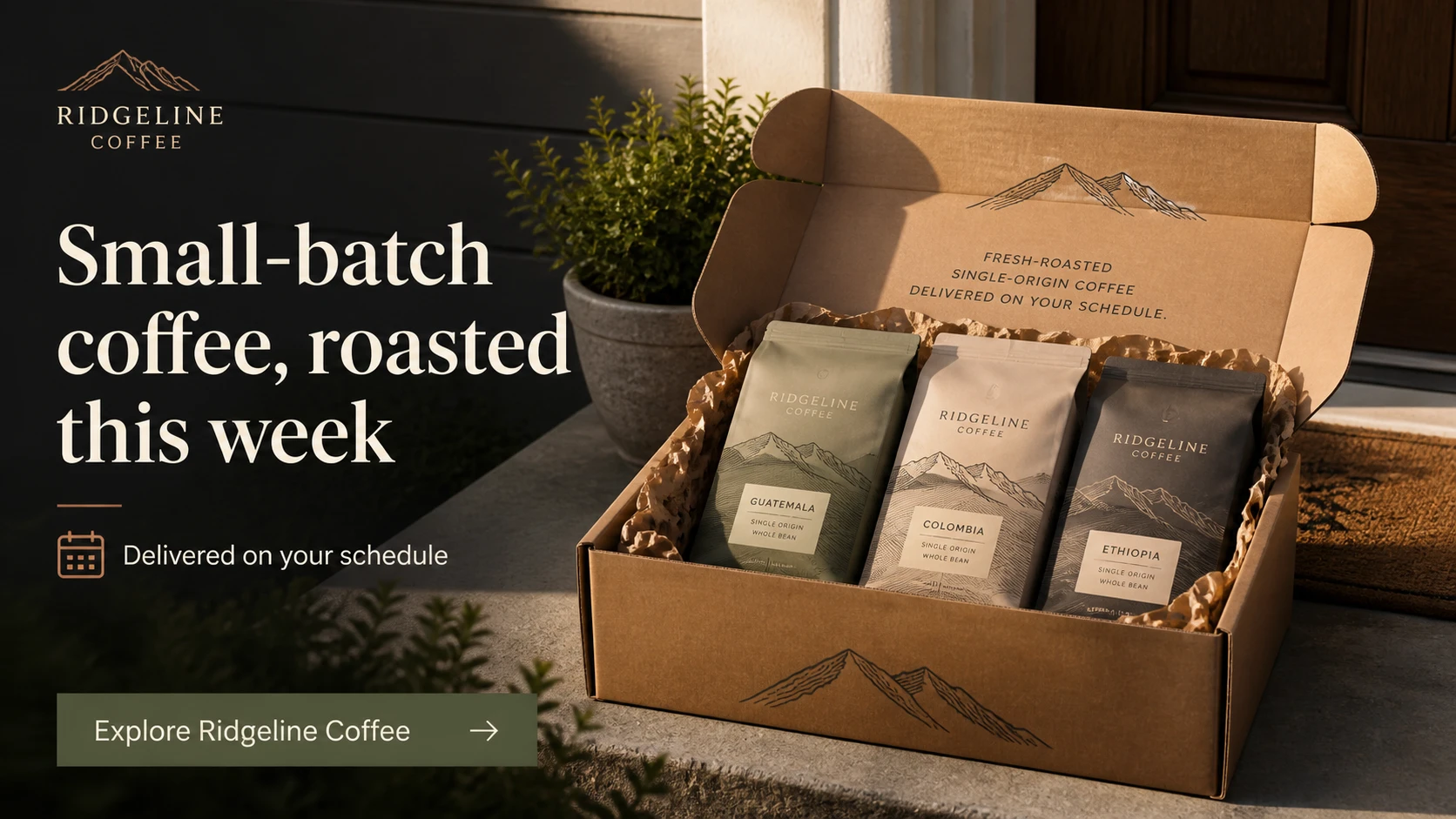
An AI ad generator met a coffee subscription: freshness you can see in the ad
We ran a fictional DTC coffee subscription through the On Brand Ads AI ad generator. The AI read the brand, wrote 'Small-batch coffee, roasted this week', and generated every ad size — here's what worked and what we'd retouch.
Coffee subscriptions are one of the most crowded DTC categories there is. Every roaster says fresh, every roaster says small-batch, every roaster says curated. When everyone's claim is identical, the ad has to carry the difference — and most coffee ads don't, because most coffee ads are a bag on a table with the word "premium" somewhere near it.
So we built a test brand to stress this. Ridgeline Coffee: a fictional family roastery in the Cascades, one clear offer — fresh-roasted single-origin coffee delivered on your schedule — and a website that says exactly that. Then we pointed the On Brand Ads AI ad generator at it and watched what the machine does when the entire differentiator is a time claim.
What the AI read from the site
The brand read came back in about thirty seconds: the deep brown and caramel palette, Georgia serif type, the calm unhurried tone, and the one fact that matters — roasted this week. That phrase became the campaign's center of gravity, and it should. For a subscription, "roasted this week" is not decoration. It's the mechanism. Grocery-store coffee is months old; the entire value of subscribing is collapsing that gap.
The AI landed on "Small-batch coffee, roasted this week" as the headline, with "Start your subscription" as the action line. That's a better ad than most coffee brands run, because it puts the reason-to-believe in the headline instead of burying it in the subcopy.

Look at what the generator did in that square. The kraft bag is the hero, the tasting notes are legible, and the steam from the cup tells you this is fresh without a single word claiming it. Freshness is shown, not asserted. That's the oldest rule in food advertising and the AI ad generator got it on the first pass.
The scene where the ad earns its keep
My favorite of the set is the subscription-flow square:

A hand holding a phone mid-signup, the bag beside it, a latte in frame. This is the same move the pet-store creative in our earlier piece made: put the mechanism in the ad. The product isn't coffee, it's coffee arriving on your schedule — and an ad showing the signup flow sells the actual product, while an ad showing only a bag sells the fantasy of the product. For subscription businesses, the flow is the hero.
The AI also composed a proper roasting scene for the second square:

Beans mid-pour, warm workshop light, the roastery soft in the background. Note what the generator didn't do: it didn't invent a founder, didn't fabricate a "roasted by hand since 1987" heritage line, didn't put a fake barista in the frame. It worked from the facts the site gave it. That restraint is the difference between an AI ad generator you can trust and one that hands you a lawsuit with good lighting.
The vertical and the wides
The 4:5 portrait earns its extra height with the bag shot — more of the label, more of the tasting notes, the cup anchoring the bottom:

And the story format does what stories should: one read, one tap:

The landscape and wide banners carry the campaign across placements without becoming crops:


What I'd retouch
Two honest notes, same as with any generator output.
First, "delivered on your schedule" is doing quiet work in every format, and I'd test promoting it. "Roasted this week" wins freshness, but the subscription blocker for most people isn't quality doubt — it's commitment doubt. Pause anytime is the line that converts the hesitating. I'd have the AI generate a variant set with the flexibility claim as the headline and freshness as the support, and run them against each other.
Second, coffee is a taste-category and eventually your ads need your actual photography — your roastery, your bags, your bar. The AI ad generator's job here is the first three months of a brand's life: consistent, on-palette, credible ads from nothing but a URL, while you build the real asset library. When the real photos exist, you feed them in as references and the generated ads inherit them.
Where it lands
A subscription brand's ad has to prove its mechanism in one glance. The AI read one website, wrote the freshness claim into the headline, showed the signup flow in frame, and produced nine coordinated ads across five sizes — no brief, no designer, no resizing night. For a two-person roastery, that's the difference between running real campaigns and posting a photo of a bag with a caption.
More Posts
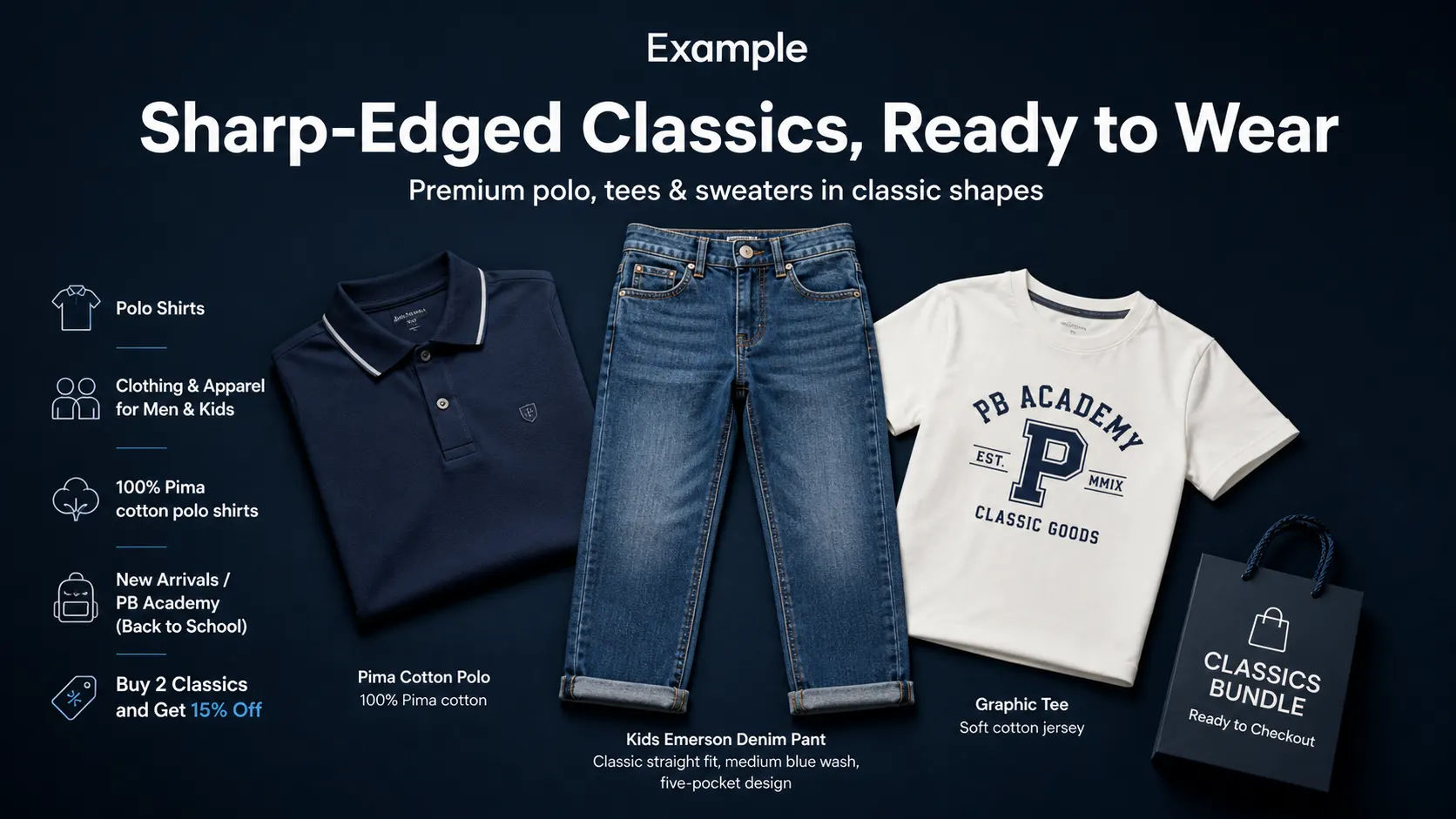
I put this week's hottest AI agent tools on my actual marketing busywork — here's what survived
DeepSeek Harness is the internet's favorite repo this week. Can a coding-agent harness — dsh, Claude Code — actually help a solo founder's marketing? A no-hype test across the tasks that eat my week: resizing, ad copy, campaign briefs, landing checks.
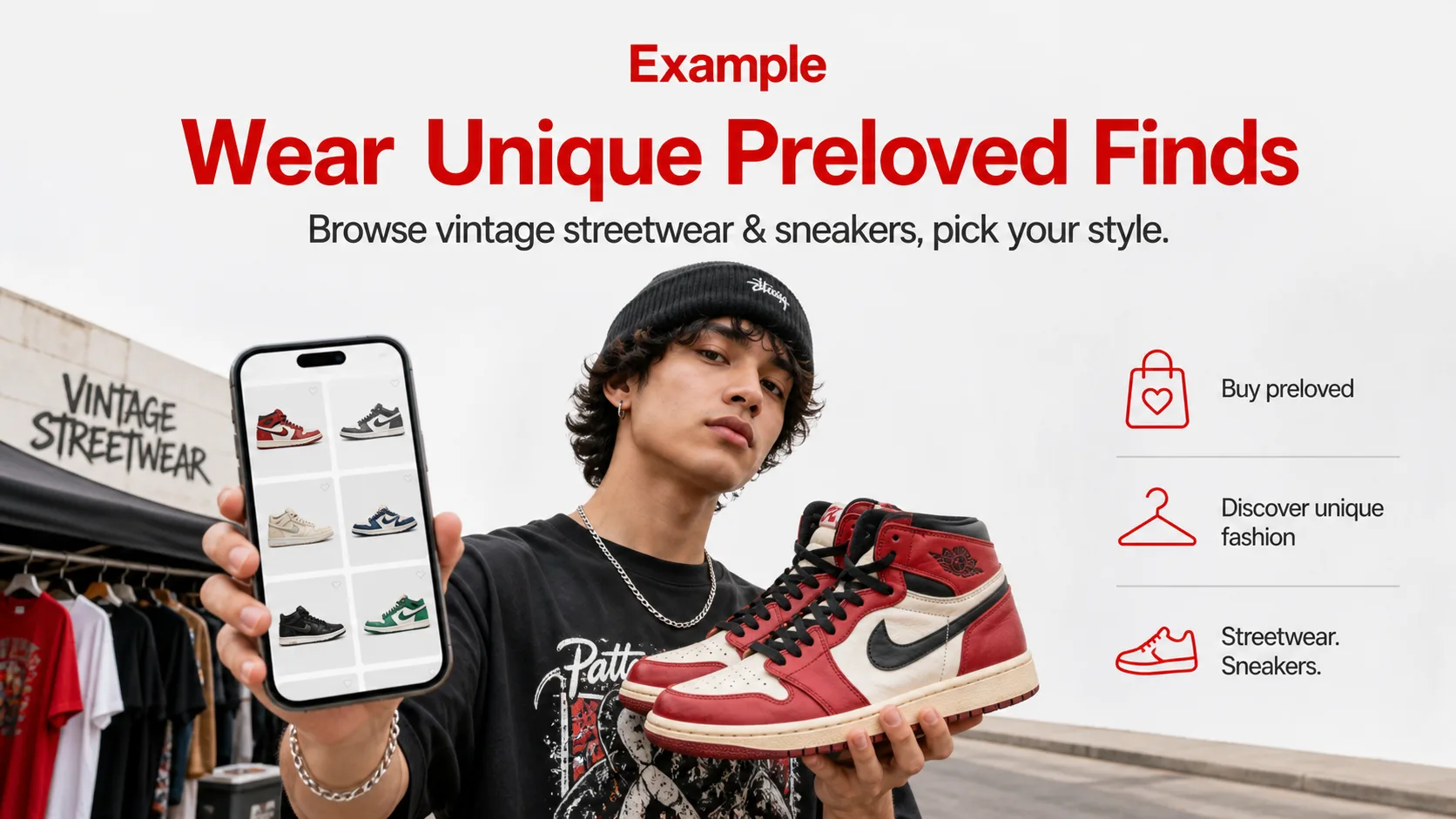
An AI ad generator for a two-sided marketplace: two campaigns from one brand read
We ran a preloved streetwear marketplace through an AI ad generator and ran into the oldest problem in marketplace marketing: the ad that recruits buyers is useless to sellers, and vice versa. AI-generated ads from one brand read solve both — without doubling the work.
Stop Prompting Your AI Ad Generator. Give It Your Website.
Most AI ad generators start with a prompt and end with a pretty image. I think that is the wrong starting point. Here is why a website makes a better brief, where the approach fails, and what I would actually ship.
Newsletter
Join the community
Subscribe to our newsletter for the latest news and updates