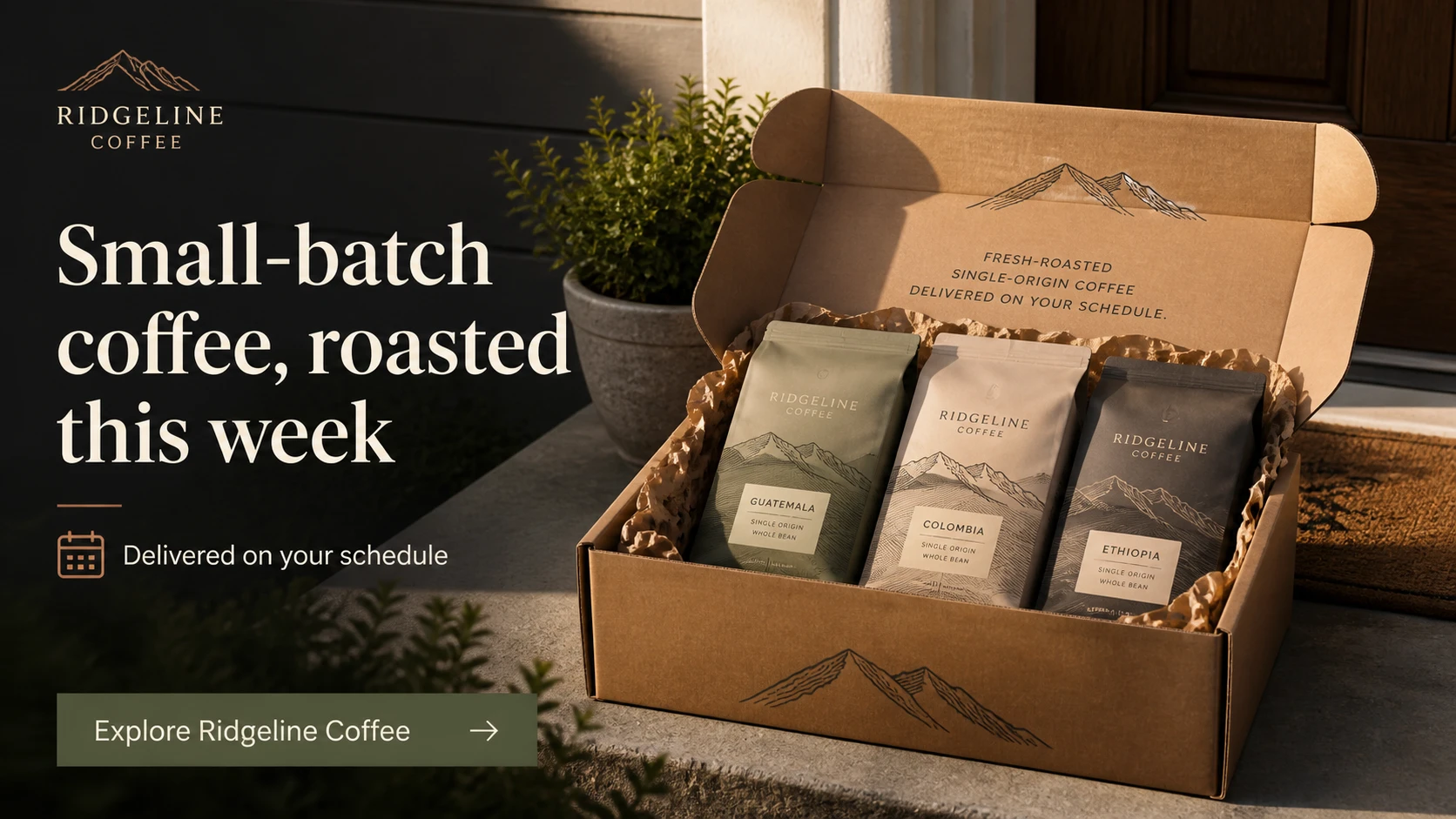
Stop Prompting Your AI Ad Generator. Give It Your Website.
Most AI ad generators start with a prompt and end with a pretty image. I think that is the wrong starting point. Here is why a website makes a better brief, where the approach fails, and what I would actually ship.
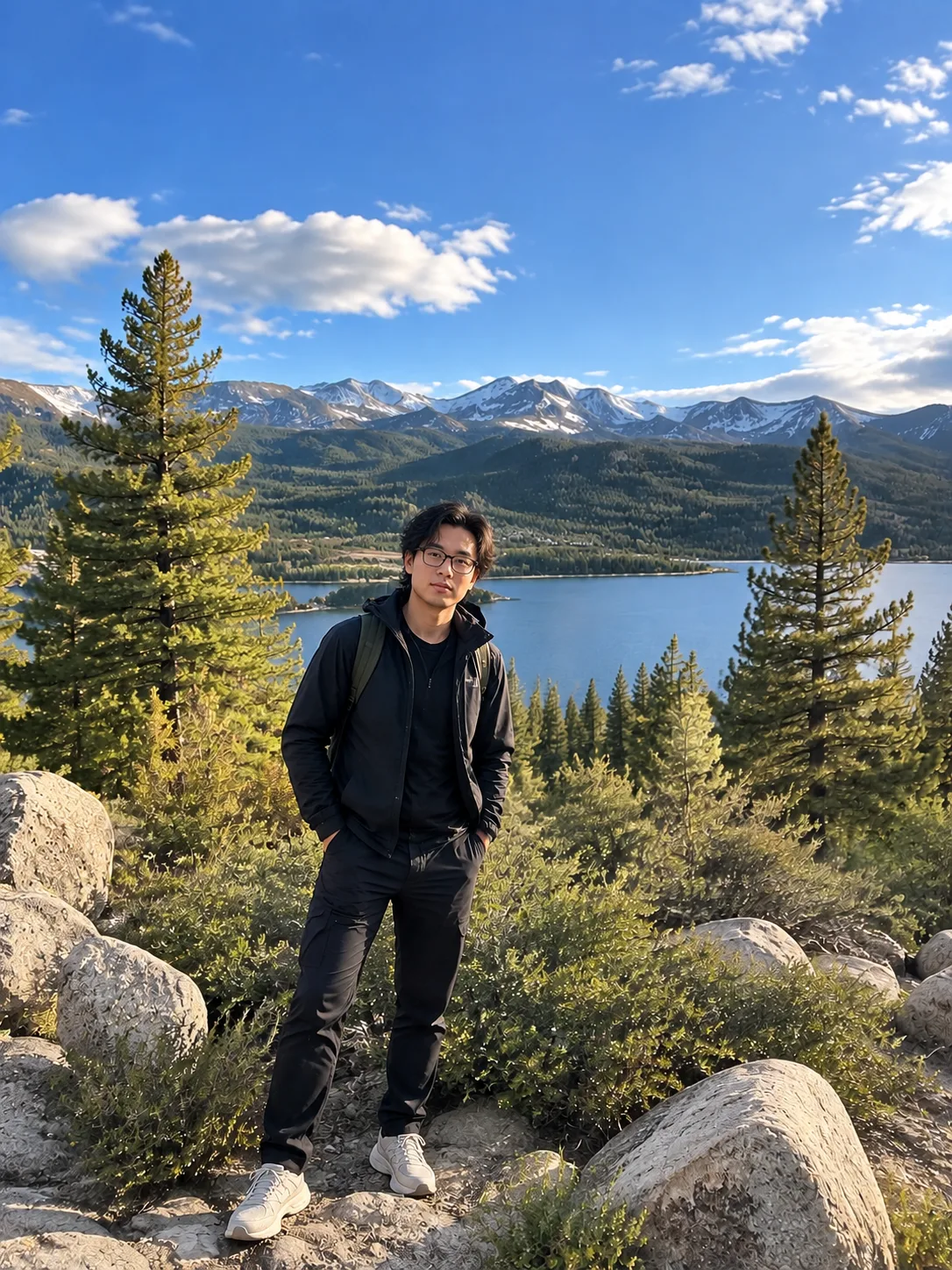
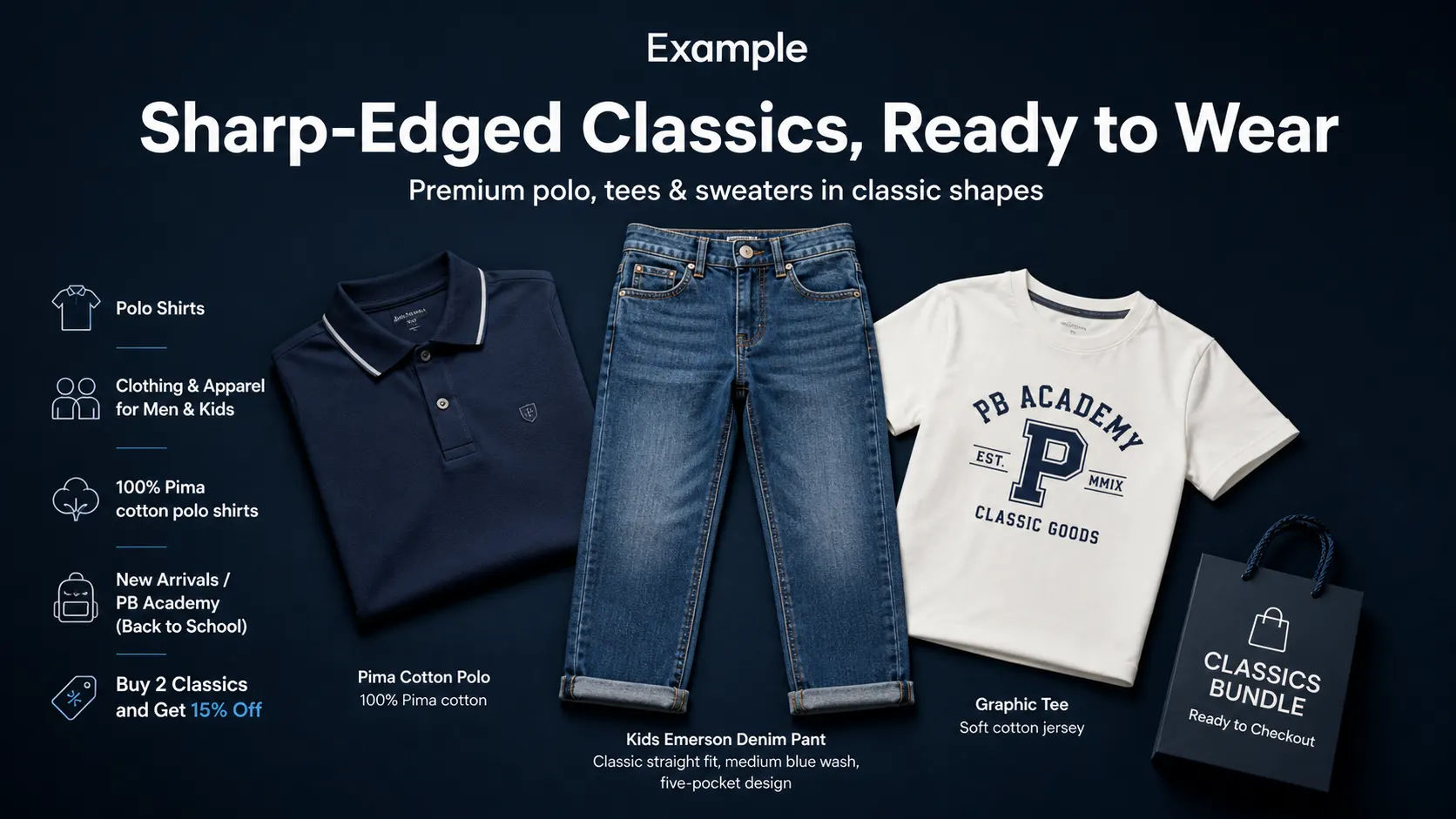
I put this week's hottest AI agent tools on my actual marketing busywork — here's what survived
DeepSeek Harness is the internet's favorite repo this week. Can a coding-agent harness — dsh, Claude Code — actually help a solo founder's marketing? A no-hype test across the tasks that eat my week: resizing, ad copy, campaign briefs, landing checks.
The agent harness race proves it: the model isn't the moat, the context is
DeepSeek Harness, Claude Code, OpenAI Codex — the 2026 agent wars look like a fight over models, but the winners are being decided one layer down, by who controls the context the model sees. Marketing AI works the same way.
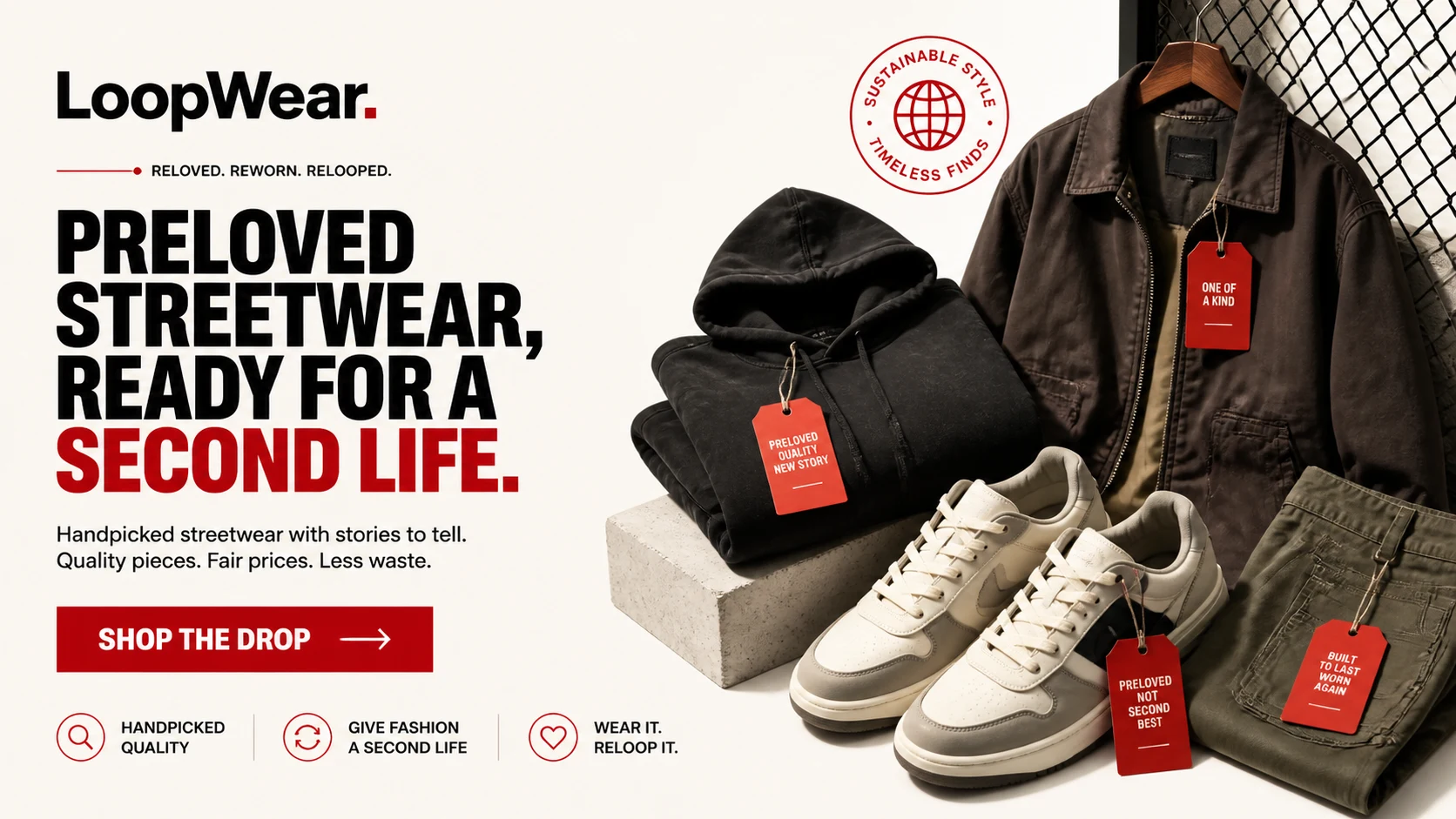
DeepSeek Harness hit 157k GitHub stars in 5 days — here's what it means for AI agents beyond coding
DeepSeek Harness (dsh), the everything-is-a-plugin open-source agent harness, is the fastest-growing repo on GitHub right now. We break down what it is, what the hype is really about, and what an open agent layer means outside coding — including for marketing.
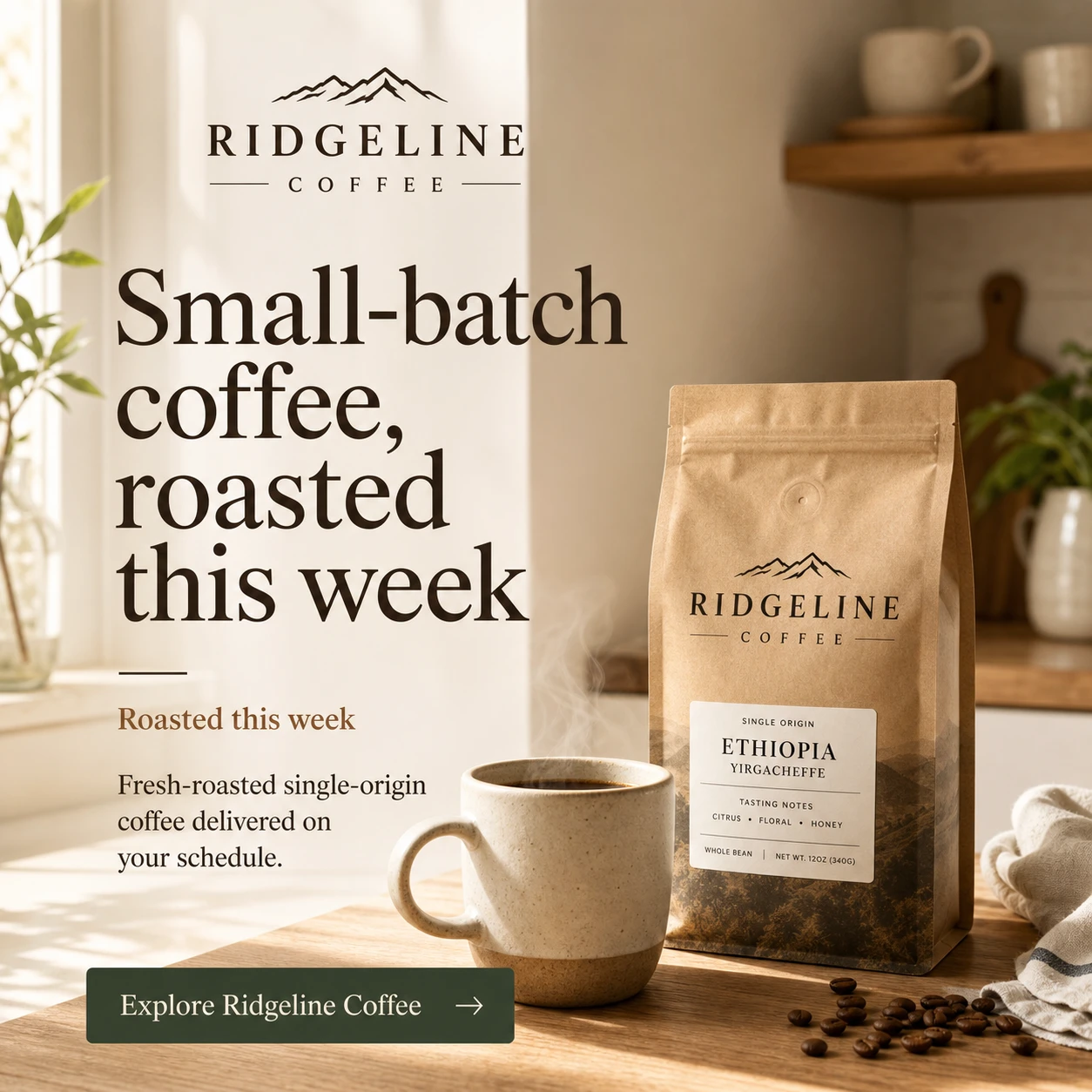
An AI ad generator met a coffee subscription: freshness you can see in the ad
We ran a fictional DTC coffee subscription through the On Brand Ads AI ad generator. The AI read the brand, wrote 'Small-batch coffee, roasted this week', and generated every ad size — here's what worked and what we'd retouch.
Why is making on-brand ads so hard? The real cost nobody prices in
Every tool promises AI ads. So why does a five-image campaign still take a small brand a week? The bottleneck was never image generation — it's brand context. Here's the industry's real problem, and why the fix is an AI ad generator that starts from your website.