Stop Prompting Your AI Ad Generator. Give It Your Website.
Most AI ad generators start with a prompt and end with a pretty image. I think that is the wrong starting point. Here is why a website makes a better brief, where the approach fails, and what I would actually ship.
I have watched a team make an ad in thirty seconds and spend the rest of the afternoon repairing it.
The image was fine. The logo was wrong, the offer came from an old landing page, and the same square had been squeezed into a Story until the headline became unreadable. Calling that an AI ad generator success is being generous. It generated a file. It did not make an ad ready to run.
Here is the opinion I keep coming back to: stop starting with a prompt. Start with the website.
The blank brief is the expensive part
Most small teams do not lose time waiting for pixels. They lose time answering questions nobody wrote down:
- Which product are we actually pushing?
- Is the offer on the homepage still current?
- What words do customers recognize as ours?
- Which colors and fonts are intentional, and which came with the theme?
- Does this message belong to buyers, sellers, donors, or all three?
The answers are usually scattered across the hero headline, the pricing page, CSS tokens, product photos, and a review from six months ago. Then somebody tries to carry those answers into Canva, Firefly, Midjourney, and an ad manager. That person is the brand system.
The result is familiar: campaign one sounds calm, campaign two sounds like a discount store, campaign three has a logo that is almost right. The small team is not short of image tools. It is short of a reliable brief.
Why a website is a better starting point
A website is not a perfect brief. Old copy survives. A/B tests leave contradictory headlines. Pricing can change before the blog does. I would never let an AI ad generator publish from a crawl without a human checking the source.
But it is still the best starting point most small businesses have. The hero tells you the primary promise. The product page tells you what is real. The pricing page tells you what can be claimed. The CSS and header reveal the visual system. Reviews and case studies tell you which words customers repeat.
That is enough context to make a first campaign much less generic. It is also enough context to catch an AI that has invented a discount or mixed up the audience.
This is the model behind On Brand Ads: paste a website, inspect the brand read, then decide what deserves to become an ad.

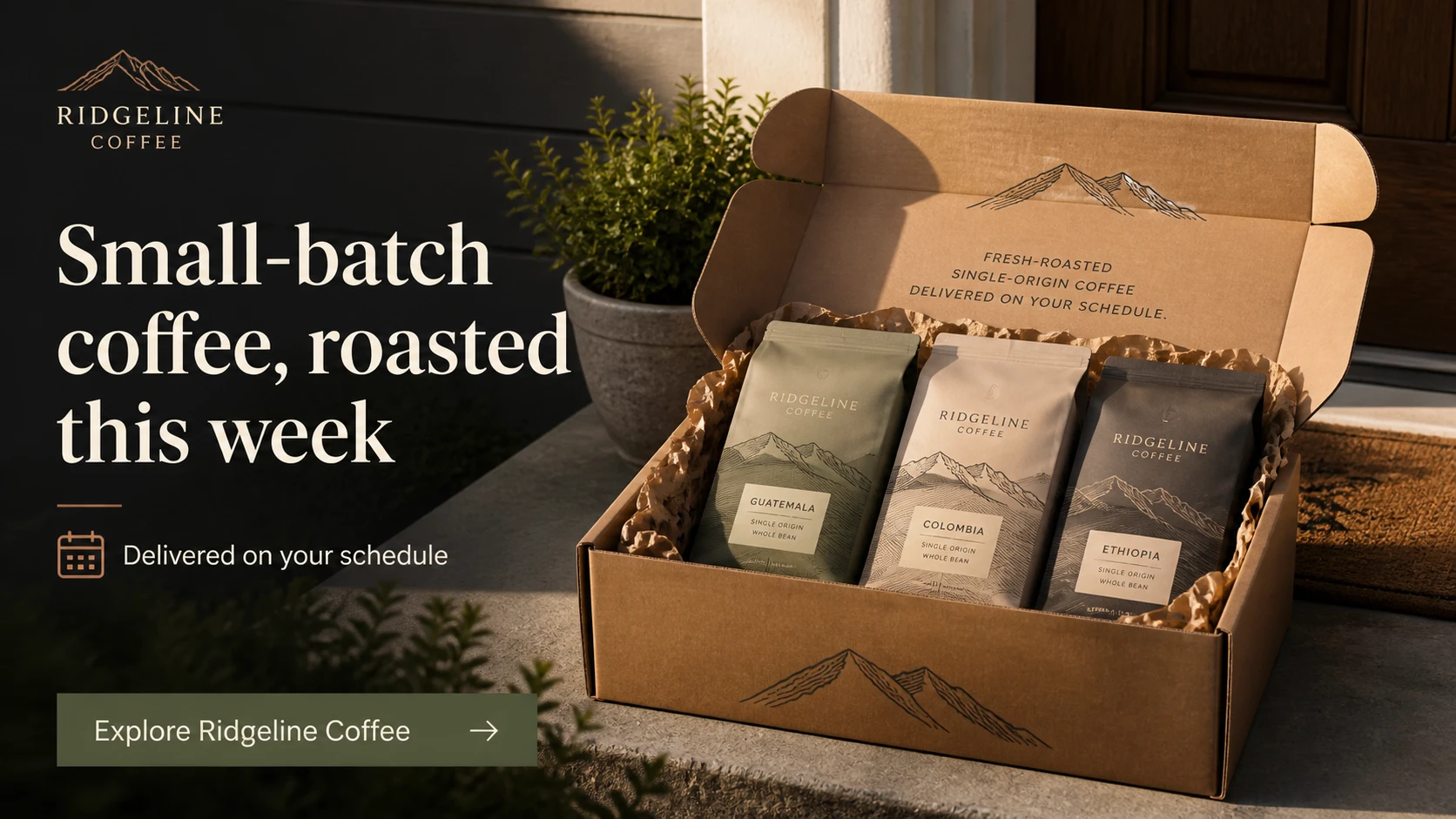
“Roasted this week” is a real product claim. “The future of coffee” is decoration. I would spend money on the first one.
Prompt-to-image, Canva, or website-led generation?
I use each category differently.
Prompt-to-image tools are excellent for exploring a visual direction. I would use them to ask, “Could a night market scene fit this launch?” I would not hand the output to a paid campaign before a person has supplied the brand, the copy, the offer, and the legal constraints.
Canva and similar template tools are excellent for the final ten percent: nudging a logo, fixing a line break, or making a human-approved variant. They are slow when the first question is still “what should this ad say?”
A website-led AI ad generator is useful in that middle gap. It can turn a source of truth into a few credible directions. It can also fail when the source is messy, which is why “read the website” is a starting method, not a replacement for strategy.
The two mistakes I would look for first
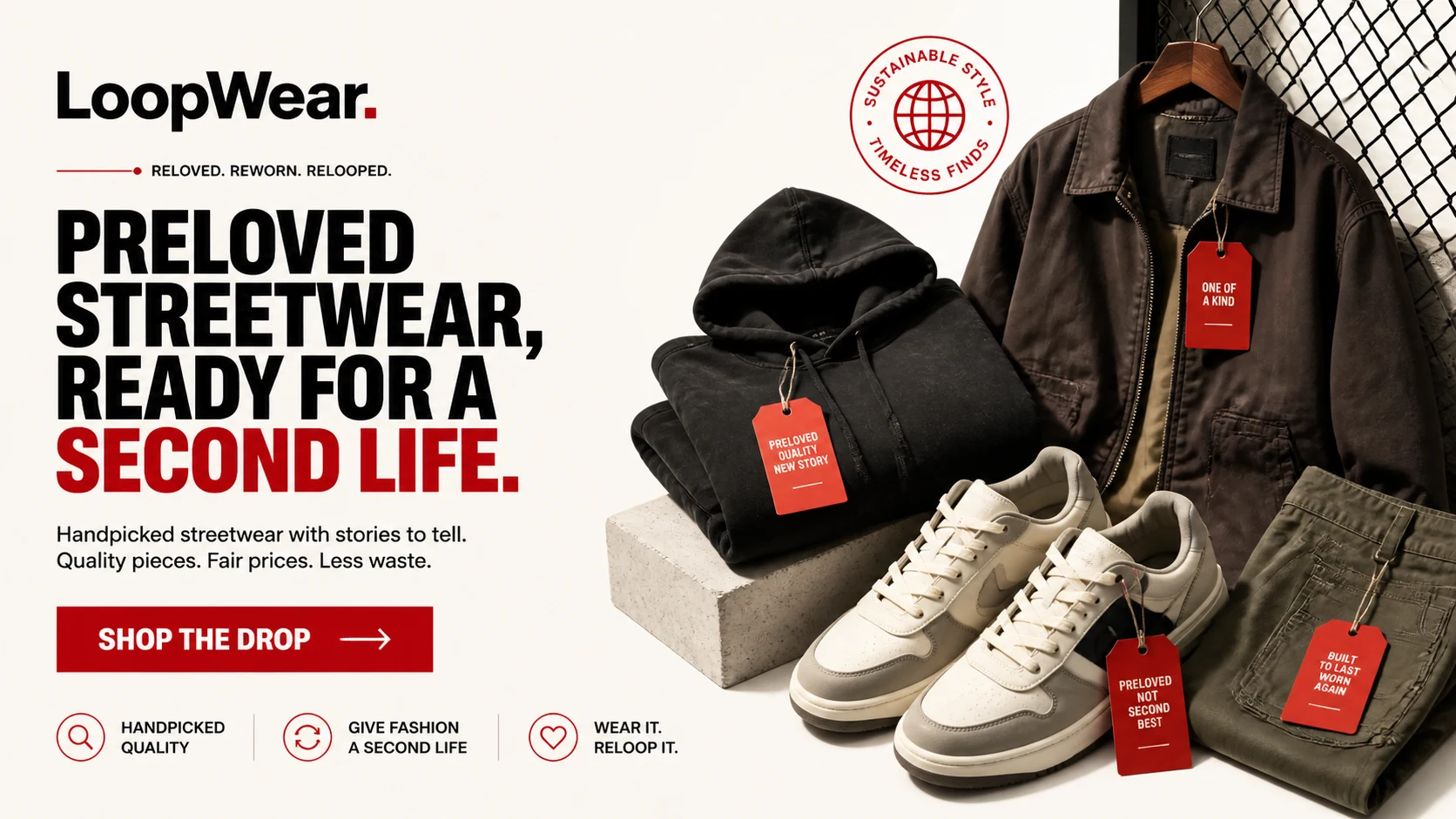
The first is audience collision. We tested a resale marketplace with buyers and sellers. The buyer message was about finding one-off streetwear. The seller message needed to be about turning an unworn closet into cash. Same brand, opposite job. A single generic ad would have been wrong for both. The marketplace example shows why I would split the campaign before generating more images.
The second is the mission statement ad. Nonprofits often put rescue, policy, shelter, education, and veterinary care into one frame because all of it is true. It is also impossible to process while scrolling. In the nonprofit test, I would keep the brand read and make four focused messages, then spend behind the one that earns a response.
Those are not image problems. They are decisions about the promise. An AI ad generator can make the wrong decision look polished very quickly.
What I would actually ship
I would not begin with ten variants. I would make two versions for one audience and one placement.
For a coffee subscription, I would test “roasted this week” against “pause anytime.” The first answers the quality objection; the second answers the commitment objection. I would use 4:5 feed creative first because the product and headline have room to breathe, then make a 9:16 version if the message survives the crop.


The test is not whether both images look expensive. It is whether someone can tell what is being sold, why it matters, and what to do next without opening the comments.
Where free tools stop being useful
A free AI ad generator is useful for validating the workflow and the message. I would not choose a tool for bulk paid media until I knew four things: it keeps the brand consistent, composes the actual placements, lets me correct the copy, and makes export rights clear.
I would pay for reliable context and native formats. I would not pay for a credit pack that produces fifty attractive variations of a claim nobody wants.
Compare the On Brand Ads plans once you know which placements and volume you actually need. The free workflow should help you learn that, not force a subscription before you have a usable message.
My rule for an AI ad generator
If the tool makes me explain my brand from scratch every time, it is a prompt box with a fancy export button. If it reads the source, shows me what it understood, and lets me reject a bad claim before it becomes a campaign, it is doing useful work.
Today I would generate two 4:5 ads from one real product page. I would delete any version that needs a paragraph of explanation. Then I would make the winning message in the other sizes.
Try the website-led workflow in On Brand Ads. Keep the human in charge of the promise; let the AI handle the repetitive production around it.
More Posts
DeepSeek Harness hit 157k GitHub stars in 5 days — here's what it means for AI agents beyond coding
DeepSeek Harness (dsh), the everything-is-a-plugin open-source agent harness, is the fastest-growing repo on GitHub right now. We break down what it is, what the hype is really about, and what an open agent layer means outside coding — including for marketing.
I put this week's hottest AI agent tools on my actual marketing busywork — here's what survived
DeepSeek Harness is the internet's favorite repo this week. Can a coding-agent harness — dsh, Claude Code — actually help a solo founder's marketing? A no-hype test across the tasks that eat my week: resizing, ad copy, campaign briefs, landing checks.
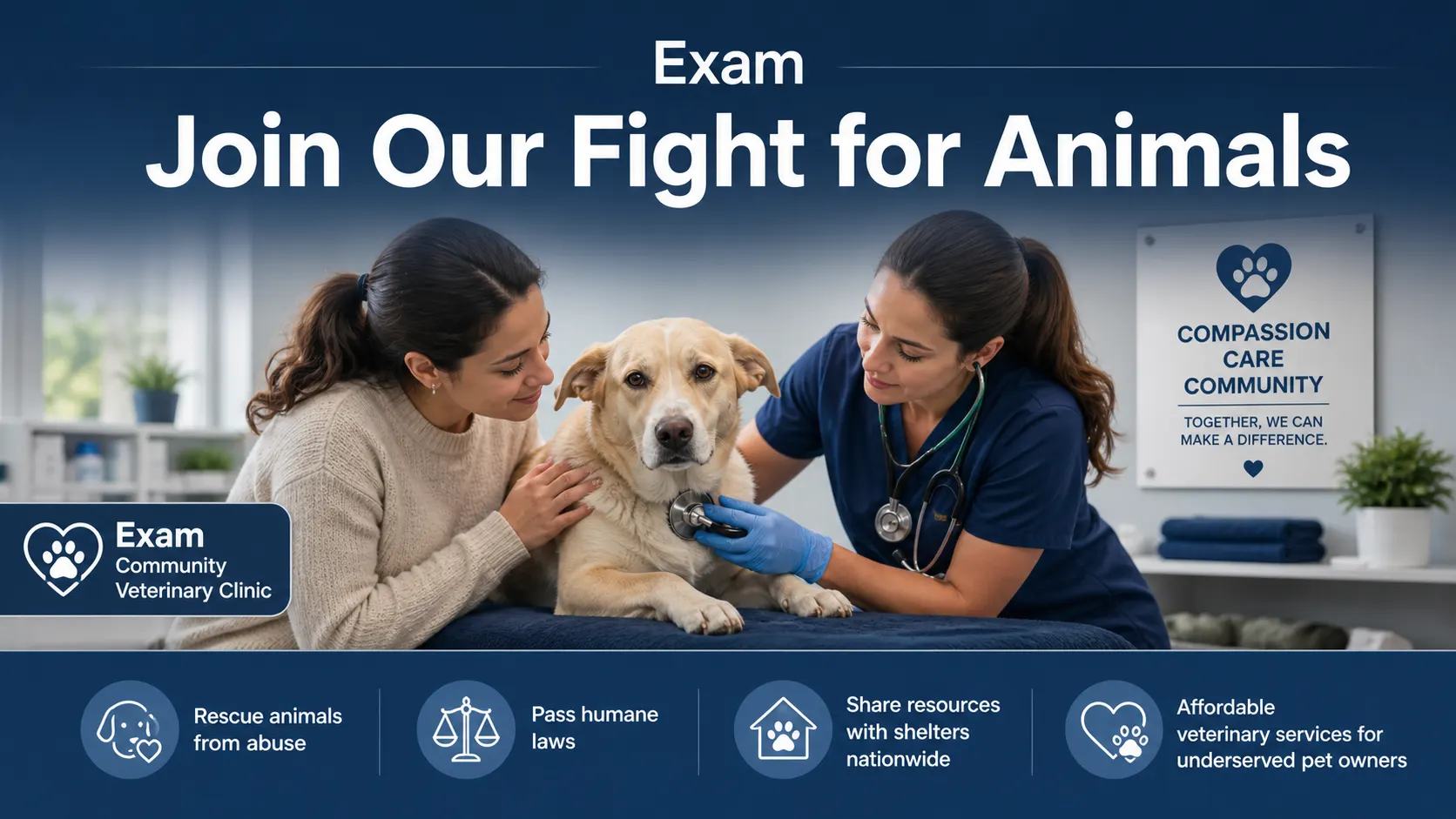
AI ads for nonprofits: the AI ad generator that reads your mission — and the one-promise rule
We put an animal-welfare organization through an AI ad generator and kept running into the same mistake mission-driven brands make: trying to say everything in one ad. Cheap AI-generated creatives change that — one promise per ad, tested.
Newsletter
Join the community
Subscribe to our newsletter for the latest news and updates