I put this week's hottest AI agent tools on my actual marketing busywork — here's what survived
DeepSeek Harness is the internet's favorite repo this week. Can a coding-agent harness — dsh, Claude Code — actually help a solo founder's marketing? A no-hype test across the tasks that eat my week: resizing, ad copy, campaign briefs, landing checks.
I run a one-person SaaS, so my marketing week is a stack of jobs nobody would call strategic: rewriting an ad headline for the fourth time, checking that the landing page still matches the ad I just launched, resizing one creative into five formats, drafting the launch post for yet another directory site. This week the entire dev internet went wild over DeepSeek Harness — the open-source, everything-is-a-plugin agent harness that crossed 150,000 GitHub stars in days — and every non-developer I know asked me the same question: does any of this help me?
So I ran the honest test. Not the demo — my actual task list. Here's what survived contact with a solo founder's marketing week.
The setup, for the non-developers
A "harness" like dsh or Claude Code is a workspace for an AI model: it lets the model read files, run commands, keep a plan, and check its own work across a long task instead of one chat reply. DeepSeek Harness's twist is that every component is a plugin — including the model — so you can rewire the whole thing. Claude Code is the polished commercial equivalent; dsh is the free, DIY, dev-preview equivalent.
The key property for our purposes: the agent operates on files in a folder. Give it a folder of brand assets and marketing docs, and it can genuinely work on them.
Task 1: Write 20 ad headline variants — survived, with coaching
I gave the agent my product's one-liner, the landing page copy, and past ads that worked, as files, then asked for 20 headline variants per campaign goal. Results were better than a blank chat box — noticeably better — because it was reading my actual copy and echoing my actual tone back at me.
What it couldn't do: know which claims felt true. It happily proposed "10x your CTR" energy that isn't us. The workflow that works: agent drafts 20, I kill 17 in two minutes, ask for 10 more like the survivors. First-draft machine, not a strategist.
Task 2: Resize one ad into five formats — died, and it's not close
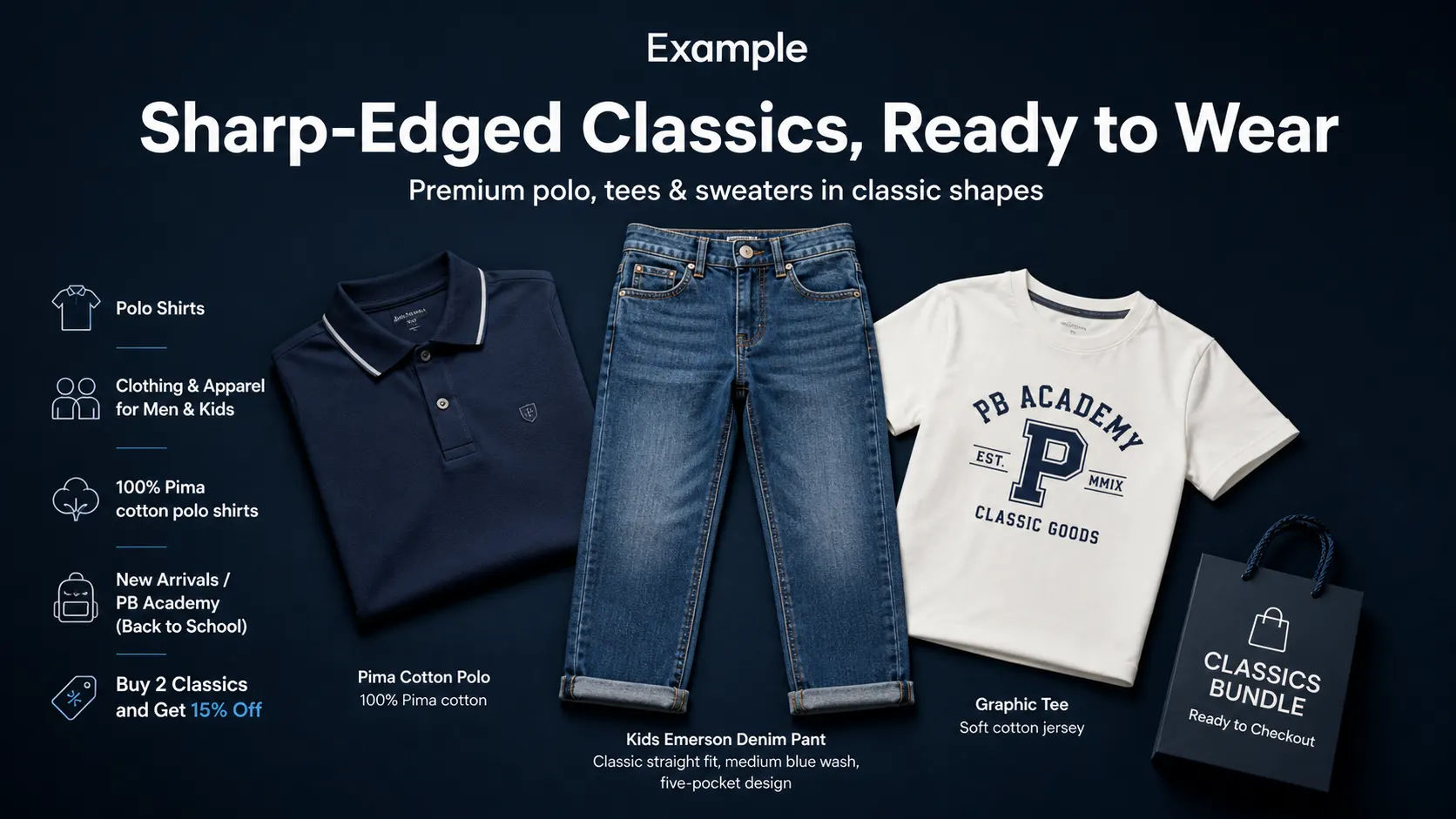
This is the task I most wanted to hand off, and no coding harness touches it. It's not a text problem: each size needs its own composition — what works in a square dies in a story. The general-purpose agent produced five crops of the same image, which is exactly the thing that looks like nobody cared.
Verdict: resizing isn't busywork you can prompt away; it's generation work that has to happen per format, from real brand context. This is the job a domain tool should own — it's literally why I built On Brand Ads to generate every size natively from one brand read instead of cropping one master file.
Task 3: The landing-page/ad mismatch audit — survived, quietly excellent
Before a campaign, someone should check that the ad's promise matches the page it points to. I gave the agent the ad copy file and the landing page HTML, and asked for every mismatch: claims in the ad missing from the page, tone drift, broken promise hierarchy.
It found three real ones, including a feature the ad mentioned that the page had stopped mentioning after a redesign. Boring, mechanical, easy to forget — precisely the work agents are good at. This one stays in the weekly loop.
Task 4: Draft directory-site submission copy — survived, with a template
Submitting to product directories means writing a name, a one-liner, a description, and a tagline — slightly different lengths, slightly different vibes, twenty times over. As files-in-a-folder work, this is trivial for an agent: one submissions.md with my source-of-truth copy, plus per-site length specs, and it produced consistent drafts I only tweaked.
The lesson generalizes: agents get good at exactly the moment the context lives in files instead of in your head. The week I spent turning my scattered brand knowledge into a few markdown files paid off across every task after it.
The pattern in the wreckage
Two of four tasks died or disappointed, and both failures had the same cause: the work wasn't text-in-a-folder — it was generation constrained by brand context (the resizing) or knowing what's true about my product (the headline killing). The two that survived were mechanical, text-shaped, and well-fed with context.
That's also a fair map of the whole AI marketing stack in 2026:
- General agent harnesses (dsh, Claude Code): excellent at audits, drafts, and file-shaped busywork. Free to cheap. Keep the human as editor.
- Domain generators: the composition-heavy work — actual ad creatives, in every size, on-brand — still needs a tool built around the brand context, not around a prompt box.
The rise of open harnesses like dsh doesn't change that split; it sharpens it. When the model is a plugin and the harness is a commodity, the only tools worth paying for are the ones that load context you couldn't have typed. For me that week, that meant the coding harness got the copy audits and the directory drafts — and the ad set still came from pasting my URL into a tool that reads the brand itself.
Your split will land somewhere different. But run your own version of this test before you believe any launch-week hype — mine took one afternoon and settled three arguments I'd been having with myself for months.
Author

More Posts
Stop Prompting Your AI Ad Generator. Give It Your Website.
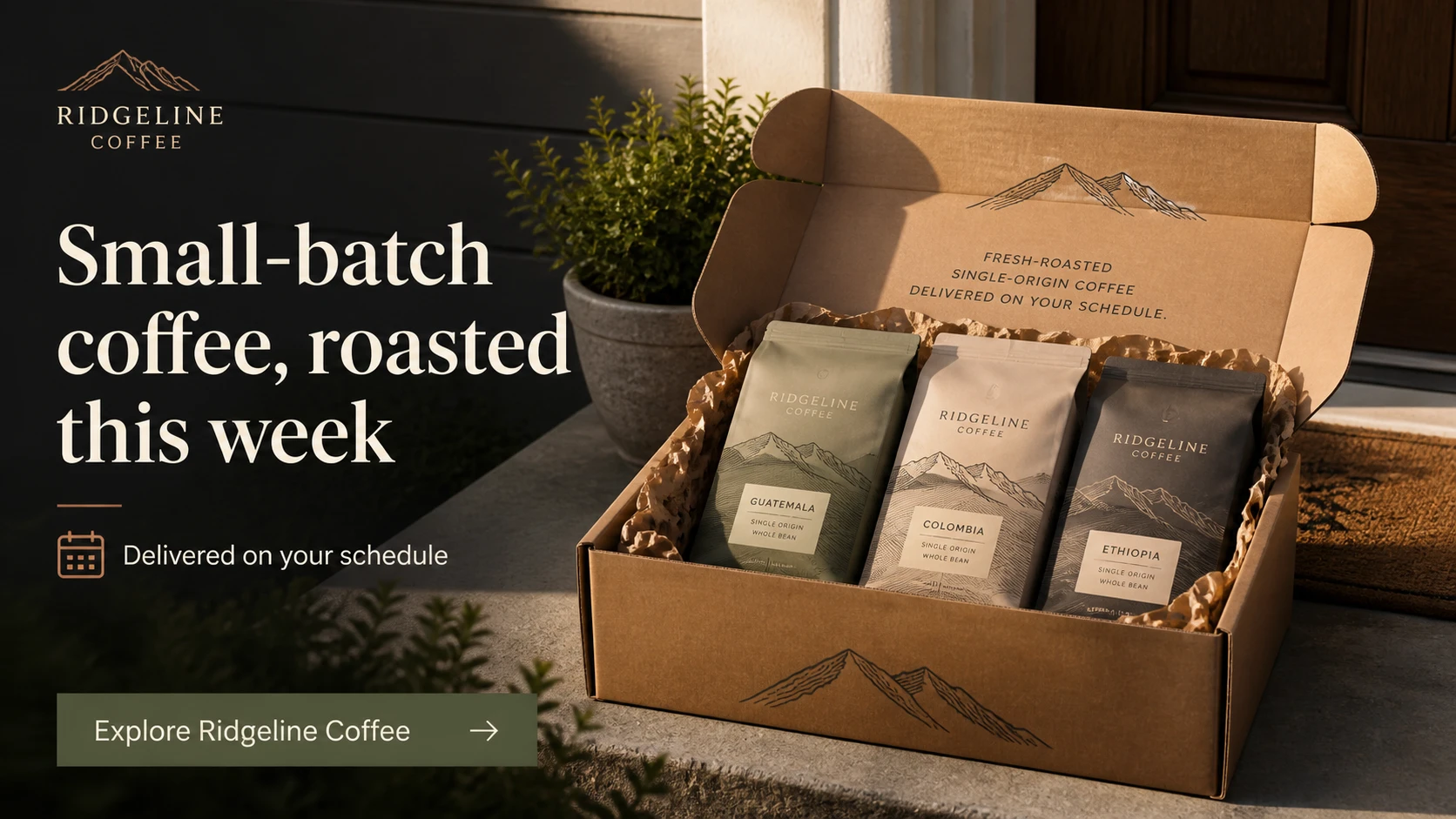
Most AI ad generators start with a prompt and end with a pretty image. I think that is the wrong starting point. Here is why a website makes a better brief, where the approach fails, and what I would actually ship.
The agent harness race proves it: the model isn't the moat, the context is
DeepSeek Harness, Claude Code, OpenAI Codex — the 2026 agent wars look like a fight over models, but the winners are being decided one layer down, by who controls the context the model sees. Marketing AI works the same way.
What an AI ad generator does with 'brand purpose': show the mechanism, not the leaf
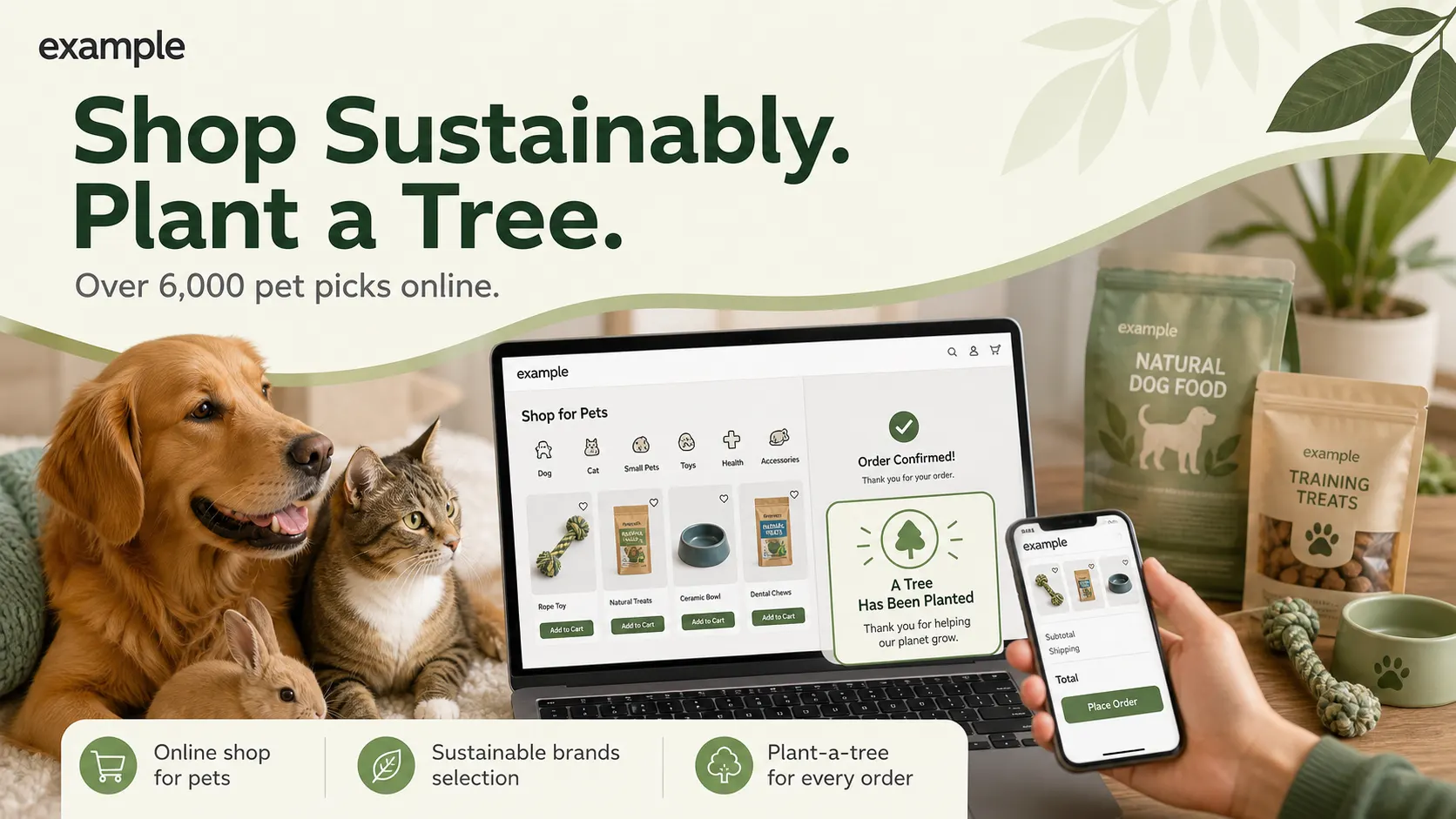
We ran a sustainable pet store through an AI ad generator and ended up arguing about the most overused idea in e-commerce: brand purpose. The AI put the receipt — 'tree planted' — in the ad. That's what AI-generated ads for DTC brands should do with a cause.
Newsletter
Join the community
Subscribe to our newsletter for the latest news and updates